
Best Online Casino Payment Methods for Aussies
 Available in US
See how Australian cards, bank-linked services, wallets and digital assets work across deposits, withdrawals and mobile checkouts.
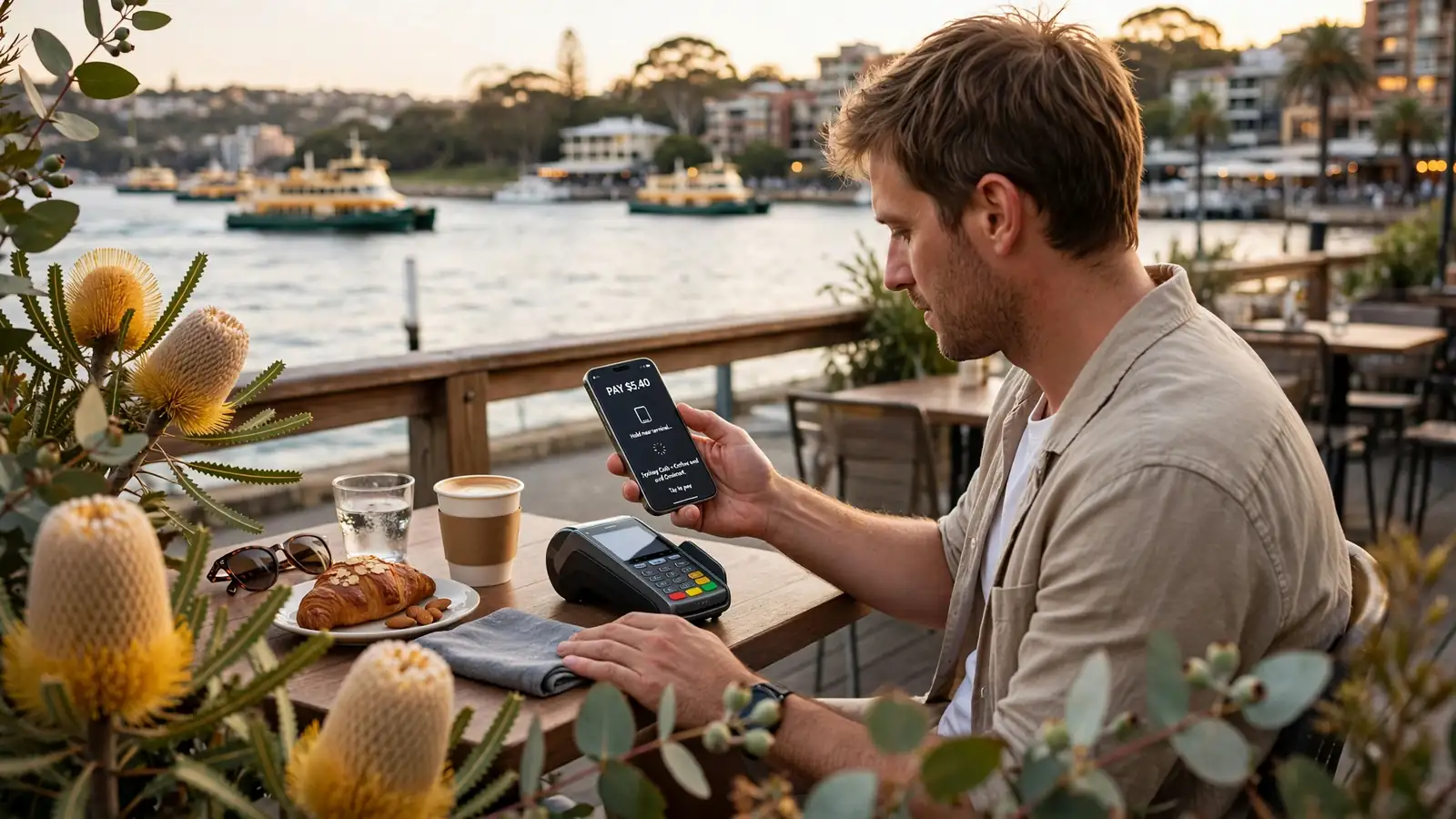
- The Australian Payment Map: Cards, Bank Rails and Wallets
- PayID at Australian Casinos: Banking by Phone Number
- How PayID Deposits and Withdrawals Actually Move
- Casino Payment Portals and the Operators Behind Them
- What a Casino Payment System Has to Reconcile
- Instant and Secure Casino Payment Methods, with the Catch
- Fast Payment Casinos: Cards, POLi and Crypto in Australia
- Payment Gateways, Apple Pay and the Checkout Moment
- Mobile Casino Payments Without the Desktop Ritual
- Phone Payment Casinos and the Voucher Exception
The Australian Payment Map: Cards, Bank Rails and Wallets
For anyone comparing the best online casino payment methods for Aussies in 2026, the useful starting point is not a glossy list of brands. It is the local payment map: which routes connect a casino account to an Australian card, bank account, wallet or digital asset, and what each route is meant to do.
The familiar card network remains the first landmark. Visa and Mastercard are widely recognised for casino deposits, and deposits are typically instant at Australian-friendly casinos. They fit the old online habit neatly: enter the card details, confirm the transaction, and the balance appears without turning a simple deposit into a small banking expedition. That does not make cards interchangeable with every other route. A payment method can be quick going in and still require another method when winnings are cashed out.
POLi belongs to a different part of the map. It is an Australian online payment route connected to banking rather than a card balance, and POLi deposits are almost instant and widely accepted at Australian online casinos. Its appeal is partly cultural: the transaction feels closer to ordinary local banking than to handing card details to an offshore gambling website. The distinction matters because payment language often makes every route sound like a gateway, while the underlying relationship may be with a bank, an e-wallet or a blockchain network.
This page highlights casino payment options and related practical details for Australian players considering online casinos in 2026. Use the entries to identify which operators stand out for deposits, withdrawals, bonuses, or licensing information.
License: Curacao eGaming Licence · Min. deposit: A$10 Rocket Play is notable for its Curacao eGaming Licence and low A$10 minimum deposit.
License: Tobique Gaming Commission · Bonus: up to A$8,000 + 400 free spins across 4 deposits · Payout speed: crypto ~10-15 minutes, fiat 1-5 days · Min. deposit: A$30 SkyCrown stands out for its bonus of up to A$8,000 plus 400 free spins across four deposits. Crypto payouts are listed at around 10–15 minutes, while fiat payouts take 1–5 days; the minimum deposit is A$30.
License: Curacao eGaming Licence · Min. deposit: A$10 PlayWest operates under a Curacao eGaming Licence and accepts deposits from A$10.
License: Curacao eGaming (Dama N.V.) · Bonus: up to A$10,000 + 180 free spins, 40x wagering JeetCity Casino is licensed by Curacao eGaming through Dama N.V. Its offer includes up to A$10,000 plus 180 free spins, with 40x wagering.
License: Curacao, operated by Dama N.V. · Bonus: 325% up to 5.25 BTC + 250 free spins across 4 deposits 7Bit Casino is operated by Dama N.V. under a Curacao licence, with a bonus of 325% up to 5.25 BTC plus 250 free spins across four deposits.
License: international iGaming licence – jurisdiction not named in the source · Bonus: 100% up to A$1,000 + 100 free spins, 35x wagering · Payout speed: PayID 1-24 hours · Min. deposit: A$30 (PayID from A$10) House of Pokies lists an international iGaming licence, although the jurisdiction is not named in the source. Its offer includes 100% up to A$1,000 plus 100 free spins with 35x wagering, and PayID payouts are listed at 1–24 hours; the minimum deposit is A$30, or A$10 via PayID.
License: Curacao · Bonus: 100% up to A$500 + 200 free spins, 10x wagering · Payout speed: crypto 30-60 minutes, fiat 1-5 days · Min. deposit: A$10 Wild Tokyo is licensed in Curacao and offers 100% up to A$500 plus 200 free spins with 10x wagering. Crypto payouts are listed at 30–60 minutes and fiat payouts at 1–5 days; the minimum deposit is A$10.
Bonus: up to A$750 + 50 jackpot spins, 35x wagering · Payout speed: crypto ~90 minutes, fiat 1-5 days · Min. deposit: A$30 Kingmaker offers up to A$750 plus 50 jackpot spins with 35x wagering. Crypto payouts are listed at around 90 minutes and fiat payouts at 1–5 days, with a A$30 minimum deposit.
Bonus: up to A$6,600 + up to 250 free spins across 4 deposits DragonSlots Casino is notable for a bonus of up to A$6,600 plus up to 250 free spins across four deposits.
License: Curacao · Bonus: up to A$10,000 multi-stage + 500 free spins · Min. deposit: A$20 (POLi) Lucky Dreams offers up to A$10,000 in a multi-stage bonus plus 500 free spins. The minimum deposit is A$20 when using POLi, and the casino is licensed in Curacao.
Bank transfers occupy the more traditional rail. They can be useful where a casino supports direct account funding or where a separate route is needed for a cashout. They are less decorative than a wallet button and less fashionable than cryptocurrency, but financial infrastructure has never depended on being fashionable. The important point at this stage is simply that bank transfers form one of the core casino payment methods Australia players need to recognise.
E-wallets create a separate layer between the casino and the bank. Skrill and Neteller are familiar examples of this category. Instead of presenting a bank card or account directly at the casino checkout, the player uses a wallet account as the payment interface. That can make the payment journey feel more contained, although it also means that the casino, wallet and bank may each have their own rules about deposits and withdrawals.
Cryptocurrency wallets mark the most visibly different route. Bitcoin and other supported cryptocurrencies move through digital-asset networks rather than card schemes or Australian bank rails. In casino terminology, this is the crypto casino Australia corner of the map. It may be attractive to players who already hold cryptocurrency, but it is not a universal substitute for local banking. Wallet control, network choice and the destination address become part of the transaction itself.
The result is a payment landscape with no single “best casino payment method” for every situation. Visa and Mastercard cover the familiar card experience; POLi supplies a distinctly local banking route; bank transfers provide a conventional account-to-account option; e-wallets add an intermediary balance; cryptocurrency wallets bring a separate digital settlement system. Those are the essential online casino payment methods Australia players are likely to encounter.
A note on the wider setting is necessary. Online casino games, including pokies, roulette, blackjack and live dealer tables, are prohibited interactive gambling services when offered to an Australian customer under the Interactive Gambling Act 2001. The law targets providers rather than individual Australian players, and no domestically licensed real-money online casino exists for Australian players. Payment availability therefore describes how offshore-facing casino sites may process transactions, not evidence of an Australian casino licence.
The payment button is only the visible edge. Behind it sit banks, card schemes, wallets, processors and, in some cases, blockchain networks. The next question is narrower: why PayID has become such a recognisable Australian route within that otherwise international machinery.
PayID Deposit Steps
Choose PayID as your deposit method at the online casino cashier.
Copy the casino’s registered PayID identifier.
Open your banking app, choose PayID transfer, and enter the identifier and amount.
Provide the correct reference number to ensure the funds match your account.
Complete the transaction through your banking service.
PayID at Australian Casinos: Banking by Phone Number
PayID is one of the clearest examples of Australian banking translated into casino checkout language. It does not create a separate account or require a new card. Instead, it links an existing bank account to an identifier already associated with it: a mobile phone number, an email address, or an Australian Business Number (ABN).
That arrangement reflects the design of Australia’s banking infrastructure. A long account number is replaced at the point of payment by something more recognisable, while the money still moves through the bank account behind the identifier. The casino is therefore not holding a PayID balance. It is receiving a bank transfer addressed through PayID.
How the identifier works
A bank customer first registers an eligible account with a PayID identifier through their financial institution. The identifier may be:
- a mobile phone number;
- an email address; or
- an ABN.
At an online casino, the PayID details supplied for deposits must match the casino’s nominated identifier. The payment is then made from the banking app or online banking service, rather than from a separate casino payment app. That distinction matters: PayID is a bank-linked payment route, not an e-wallet with its own stored balance.
PayID transfers are available 24 hours a day, seven days a week, including public holidays. For an online casino payment, deposits typically appear in the casino account within 60 seconds. The practical appeal is obvious, but the cultural detail is more interesting: a phone number becomes a financial address without ceasing to be a phone number. Australia has made banking feel faintly like sending a message.

PayID deposits and withdrawals
PayID can support both sides of the casino account, although the exact options depend on the operator. Deposits are sent to the casino’s PayID identifier. Withdrawals are directed back to the nominated bank account after the casino has approved the request.
The route is particularly recognisable in Australia because PayID belongs to the local banking environment rather than being an imported wallet brand. It sits closer to everyday banking than to a conventional casino cashier, even when the destination is an offshore casino.
That local familiarity does not change the legal position of the gambling product. The Interactive Gambling Act 2001 prohibits providers from offering online casino games to Australian customers; it targets the provider, not the individual player. PayID is simply the payment rail. A tidy one, at that.
How PayID Deposits and Withdrawals Actually Move
A PayID casino deposit begins at the cashier, not in the banking app. The casino displays its registered PayID identifier, which may be linked to a phone number, email address or ABN. That identifier matters: it directs the payment to the operator’s nominated account rather than to an unrelated recipient.
The practical sequence is short:
- Select PayID as the deposit method.
- Copy the casino’s PayID identifier.
- Open the banking app and choose PayID transfer.
- Enter the deposit amount and the casino’s reference number.
- Check the displayed recipient details.
- Confirm the payment through the bank.
The reference is not decorative. It helps the casino associate the incoming payment with the correct player account. An omitted or mistyped reference can cause significant delays, even where the banking side has completed successfully. A screenshot of the confirmation is useful for support, but it does not replace entering the correct details in the first place.
What happens after confirmation
PayID operates inside the bank’s own systems. A third party does not receive the banking credentials used to authorise the transfer, which gives this online casino payment method a different security profile from a card form copied into an unfamiliar page. The bank still authenticates the transaction, while the casino waits for the payment notification and its own account matching.
PayID deposits typically appear in the casino account within 60 seconds. Most platforms charge zero transaction fees for PayID casino payments, although the casino’s cashier remains the place to check the stated conditions. “Instant” describes the transfer’s movement, not necessarily every internal casino decision.
Withdrawal Speed PayID casino withdrawals typically arrive in the bank account within minutes after operator approval.
That distinction becomes more visible when withdrawing. A PayID withdrawal is requested in the casino account and sent to the linked bank destination after the operator’s internal approval. PayID casino withdrawals typically arrive in the bank account within minutes. Some operators approve them in under ten minutes after internal approval, according to a specialist review; that is an operator-specific observation, not a universal market deadline.
The withdrawal route may also need to match the deposit source. A casino can ask for identity documents before releasing a first cashout, so a fast banking rail does not remove the compliance stage. Speed has boundaries.
PayID through Osko versus POLi
PayID through Osko settles in seconds. POLi takes a different path: it connects the payment to online banking during checkout, and the payment can take up to a business day. Both sit within the Australian banking landscape, but they are not interchangeable labels for the same transaction.
That difference matters when comparing casino payments. PayID is a bank-initiated transfer using the casino’s identifier and reference. POLi is a checkout route that passes the player through the banking interface supplied by the service. The destination may feel similar; the movement is not.
AstroPay, crypto casino payments and other routes belong to separate payment arrangements. They should not be folded into a PayID explanation merely because all of them appear in a casino cashier. The best casino payment method is conditional: for a PayID user, correct identification, an accurate reference and a clear withdrawal route matter more than a glossy “instant” badge. That is the unglamorous core of casino payment risk management. Details decide.
Casino Payment Portals and the Operators Behind Them
A casino payment portal is the visible doorway into a much less visible arrangement. It may show cards, bank rails, wallets or cryptocurrency in one tidy panel, while the actual transaction travels through several separate systems. The casino account identifies the player and the balance; a payment provider carries the instruction; the bank, card network, wallet or blockchain completes the movement of funds.
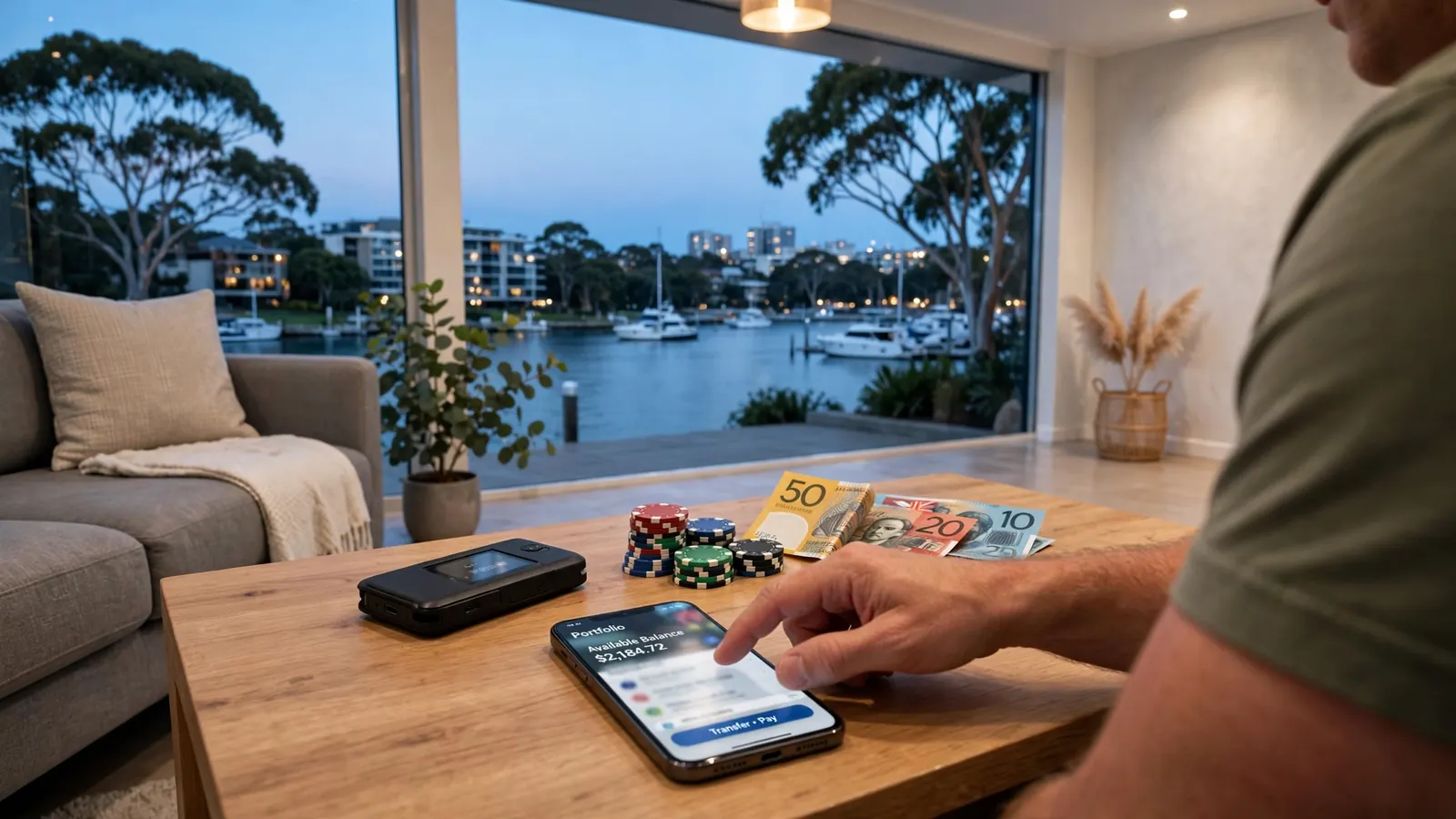
That division matters because a polished portal is not itself proof of broad payment support. A gateway can display an attractive menu while the operator accepts only selected routes for Australian accounts, or allows a method for deposits but not for a casino payment withdrawal. The label is decoration. The available route is the substance.
What casino payment providers do
Casino payment providers and processors generally sit between the merchant account and the financial network. Their work can include presenting the payment page, passing transaction data to the relevant bank or wallet, returning an approval or decline message, and reporting the result to the casino’s cashier. In cryptocurrency transactions, the processing layer may also connect the casino account with a blockchain address and monitor the incoming transfer.
The provider is therefore not the same thing as the casino. It does not decide the casino’s bonus rules, identity checks or withdrawal policy. Nor does the presence of a recognisable brand mean that every service associated with that brand is available through the particular operator being viewed.
This is why “online casino payment provider” can be a misleadingly singular phrase. A casino may use one company for card processing, another for bank payments and another for digital wallets. The player sees one cashier. Behind it sits a small bureaucracy of approvals, routing instructions and settlement records. Efficient, perhaps. Romantic, no.
The cashier is the practical test
For Australian-facing accounts, the useful question is not which provider appears in the footer of a payment page. It is which methods are actually displayed, whether they accept deposits and withdrawals, and which currency and account conditions apply. An online casino payment through PayPal, for instance, is relevant only if PayPal is explicitly available in that cashier. The same principle applies to POLi, cryptocurrency and every other named route.
A provider can support a method in theory while the casino disables it in practice. The operator may restrict certain countries, use a different processing partner, or permit a method only for deposits. A casino payment withdrawal is often where the distinction becomes visible: the deposit button may be immediate, while the cashier directs winnings to another route after internal checks.

Payment portals also translate technical choices into human instructions. They may require a particular reference, account identifier or wallet format, but the responsibility for making those details clear remains shared between the operator and its processor. When the portal is vague, the transaction becomes a guessing exercise. Financial infrastructure should not depend on interpretive literature.
The Australian legal setting
The provider layer does not alter the legal status of the product being sold. Under the Interactive Gambling Act 2001, Australian companies cannot offer certain forms of interactive gambling to Australian residents. The law targets operators rather than individual Australian players. That distinction explains why a foreign payment provider, an offshore casino and an Australian customer may appear in the same transaction without creating an Australian casino licence.
No domestically licensed real-money online casino exists for Australian players. Offshore operators may use overseas arrangements and payment providers, but a gateway name is not an Australian licence and should never be treated as one. Licence information must remain verifiable independently of the payment page.
The sensible reading of a casino payment portal is therefore modest: it is a map of the routes that one operator has chosen to expose, not a certificate of quality, legality or universal availability. The route matters. The glossy gateway less so.
What a Casino Payment System Has to Reconcile
A casino payment system is less a cash drawer than a ledger with several clocks running at once. It must identify the account, recognise the payment route, attach the transaction to the correct balance and preserve a trail that can be checked later. The visible checkout is only the polite front desk. Behind it, casino payment software is matching records.
Matching the deposit to the right account
A deposit is not complete merely because money has left a bank account. The online casino payment system must connect that movement with the correct player account. For PayID, the essential details include the casino’s PayID identifier, the amount and the reference number entered in the banking app. The reference is not decorative. It gives the casino a clue about whose balance should be credited.
An incorrect or missing reference can leave a payment waiting for manual reconciliation. That is where a supposedly simple casino payment becomes administrative archaeology: the operator has received funds, but the system cannot confidently decide where they belong.
Missing Reference An incorrect or missing reference can prevent the casino from matching your payment to your account, causing significant delays.
The payment route matters as well. A PayID transfer through Osko settles in seconds, while a POLi payment can take up to a business day. Settlement and account crediting are related, but they are not identical events. A bank rail may report completion before the casino has finished matching the transaction.
Approval is a separate event
Casino payment systems also distinguish between an incoming payment and an approved balance. Automated checks may confirm the amount and reference, while internal controls determine whether the transaction can be credited or released. This distinction becomes especially visible with withdrawals.
A withdrawal request is not simply the reverse of a deposit. The casino must associate it with the player account, confirm that the requested route is available, and pass any internal approval process. A specialist review reports that some operators approve PayID withdrawals in under ten minutes after internal approval; that timing describes the approval stage, not a universal promise for every transaction.
The wording matters. “Sent” may refer to the operator’s instruction, while “received” refers to the bank account. A careful online casino payment system keeps those states separate instead of presenting one optimistic status as the whole story.
Deposits and withdrawals need different logic
Deposits increase the casino balance. Withdrawals reduce it and create an outward payment obligation. Treating both as mirror images would make the ledger neat and the operation unreliable.

The system therefore records the source of a deposit, the requested withdrawal route, the transaction status and any reference needed to trace the movement. Neteller, for instance, is not merely a button labelled “pay”; an online casino payment Neteller workflow still has to connect the wallet transaction with the correct account and later distinguish a cashout from a deposit.
That is the quiet work of casino payment software: not making money move, but proving where each movement belongs. A ledger dislikes ambiguity. Fair enough.
Instant and Secure Casino Payment Methods, with the Catch
Speed and security rarely arrive as a matched pair. An instant deposit may put funds in a casino balance immediately, while the withdrawal follows a separate queue, another approval process and a different payment rail. The checkout button is quick. The cashout is where the architecture becomes visible.
How the main routes compare
| Payment route | Withdrawal expectation | Security consideration |
|---|---|---|
| Cryptocurrency | Under one hour | A mistyped wallet address is irreversible |
| Skrill and Neteller | 2–24 hours | The account and casino records still need to match |
| Debit and credit cards | 1–5 business days | Card withdrawals are slower than the deposit experience |
| Neosurf prepaid vouchers | Deposit only | A separate withdrawal route is required |
Cryptocurrency is the closest match to the idea of an instant payment casino. Deposits and withdrawals can be instant, and Australian casinos can process them without currency conversion fees. The advantage is speed; the uncompromising part is the wallet address. A transfer sent to the wrong address cannot be reversed. Tether sent as an ERC-20 token to a TRC-20 address may also be unrecoverable. Fast, certainly. Forgiving, no.
Skrill and Neteller occupy a more familiar middle ground among popular online casino payment methods. Their expected withdrawal window is 2–24 hours, which is materially quicker than a card cashout but not the same as an instant deposit. Their security depends less on the drama of blockchain addresses and more on accurate account details, identity checks and the casino’s internal approval.
Cards illustrate the catch most clearly. Visa and Mastercard deposits are typically instant at Australian-friendly casinos, yet debit and credit card withdrawals are expected to take 1–5 business days. The money can appear to enter at once and leave by what feels like administrative post. That is not necessarily a security failure; it is a difference between authorising a deposit and settling a withdrawal.
Cryptocurrency Instant deposits and withdrawals
Skrill and Neteller 2–24 hours withdrawal
Debit and Credit Cards 1–5 business days for withdrawals
Neosurf Vouchers Deposits only
Neosurf prepaid vouchers belong to another category altogether. They can place a deposit in the casino account within seconds of entering the voucher code, but they cannot be used for withdrawals. Any casino payment integration that accepts Neosurf therefore needs a separate cashout route from the beginning. A voucher is not a round trip. It is a one-way ticket.
Security is also a process
Safe casino payment methods are not defined by speed alone. A secure route should preserve a clear record of the transaction, use the correct account details and support a withdrawal path that is explained before money is deposited. Most casinos require the withdrawal method to match the deposit source, although vouchers are generally deposit-only.
This is why a fast deposit should not be mistaken for a fast cashout. Cryptocurrency can reduce the waiting window to under one hour, e-wallets to 2–24 hours, while cards may take 1–5 business days. The difference is not decorative. It determines when casino funds become usable money.
Fast Payment Casinos: Cards, POLi and Crypto in Australia
For Australian players, a fast payment casino is less about a single magic button than about choosing the right local rail. Visa, Mastercard, POLi and cryptocurrency cover the main need: getting funds into an account without turning a deposit into a small administrative ceremony. Their usefulness differs once money is leaving the casino.
Cards: familiar, quick deposits
Visa and Mastercard deposits are typically instant at Australian-friendly casinos. That makes card payments a practical choice when a casino payment in Australia needs to be completed without opening another financial account or copying a wallet address.
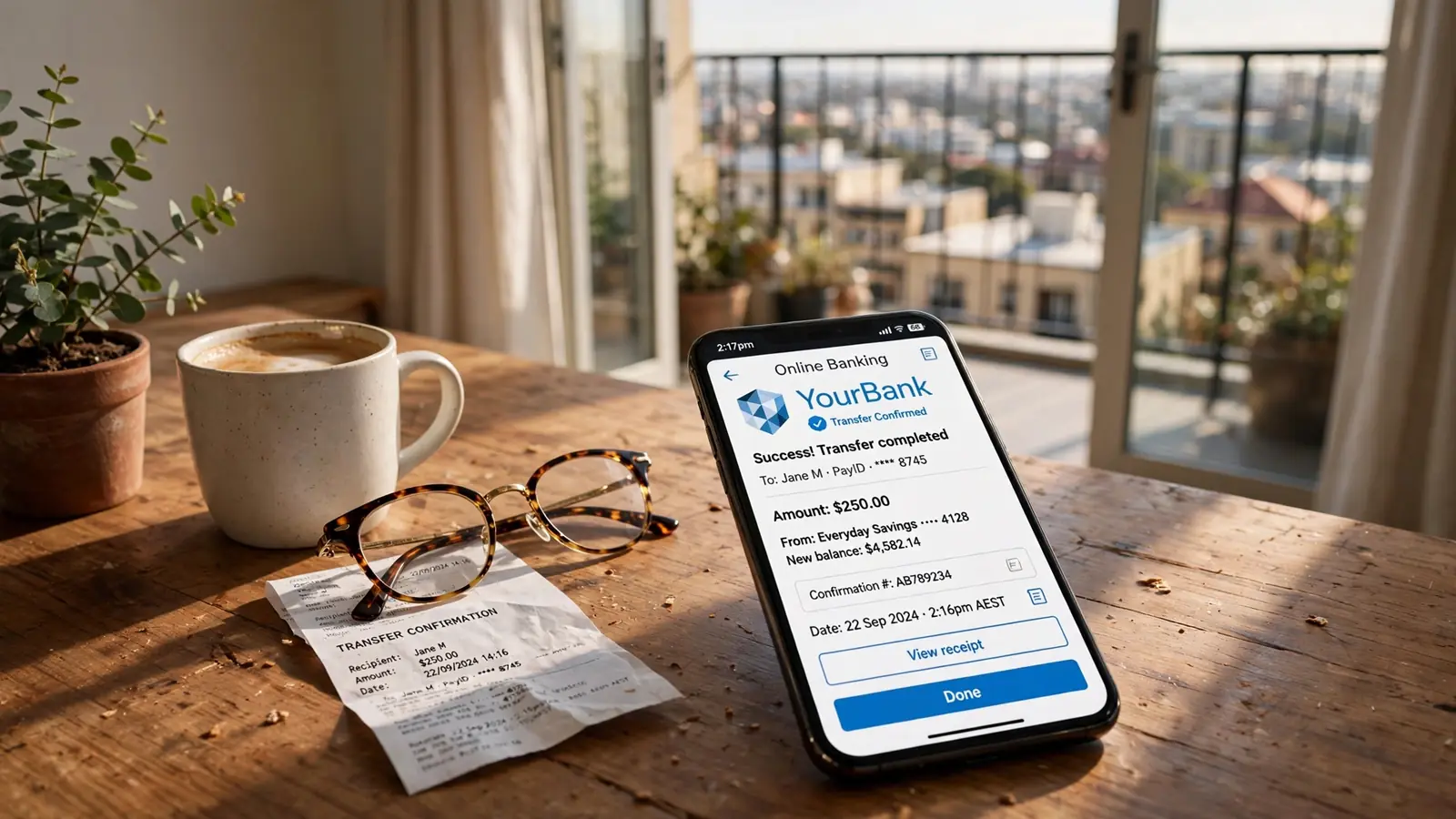
The appeal is familiar rather than exotic. A debit or credit card fits the same checkout habit used elsewhere, and the deposit is generally credited quickly. The important distinction is that this speed describes the incoming payment. It does not make the card an equally fast withdrawal route. Bank transfer withdrawals are expected to take 3–7 business days, and card cashouts should be assessed separately from card deposits.
Mastercard remains a recognisable option for players comparing Australian casino payment methods. Visa sits in the same category: efficient for funding, but not automatically a complete cashout solution. A payment method can be excellent at the front door and unhelpful at the exit. Casinos do enjoy such asymmetry.
POLi: the local banking shortcut
POLi is almost instant for deposits and widely accepted at Australian online casinos. It connects the payment to online banking rather than asking the player to maintain a separate wallet balance, which explains its distinctly local character in the casino payment Australia landscape.
The route is especially relevant when a bank-linked deposit is preferred but the longer rhythm associated with a conventional bank transfer is not. POLi is therefore a fast deposit mechanism, not a promise that every later transaction will move at the same pace. The withdrawal side still depends on the casino’s available alternatives and processing rules.
That difference matters. “Fast” is often attached to the first transaction because that is the part visible at checkout. The settlement story may be less glamorous.
Cryptocurrency: speed with a different responsibility
Cryptocurrency deposits and withdrawals can be instant at Australian casinos, and they have no currency conversion fees there. This makes crypto attractive to players who already hold a suitable wallet and understand the additional care required when sending funds.

Unlike a card number, a cryptocurrency transfer depends on the destination address and the relevant network. A mistyped wallet address is irreversible, so the speed comes with a sharper margin for error. The method is not merely another logo in a payment menu; it is a transaction that must be directed correctly.
Taken together, Visa, Mastercard, POLi and cryptocurrency form the fastest named routes in this Australian casino context. Cards and POLi are chiefly convenient for deposits; crypto can cover both directions. The right comparison is therefore not “which method is fastest?” but which rail remains useful when the money needs to come back out.
Payment Gateways, Apple Pay and the Checkout Moment
A casino payment gateway is the checkout layer that carries a selected payment method into the casino’s account system. It may display cards, bank-linked services, wallets or digital alternatives in one window, but the visible menu is not the same thing as the machinery behind it. A gateway is the route organiser, not necessarily the company holding the funds or operating the casino.
That distinction matters because payment branding can make a transaction look more local, more secure or more flexible than the underlying arrangement proves. The practical question is not simply which logo appears beside the deposit button. It is which method is actually available, what information the checkout requests, and whether the casino supports the same route for cashing out.
What the gateway does
An online casino payment gateway presents the available options, passes the transaction details to the relevant banking or payment network, and returns the payment result to the casino. In a well-designed checkout, the player sees a relatively simple sequence: choose a method, enter the required information, confirm the payment, and wait for the account balance to update.
PayID shows why the distinction is useful. The checkout may display the casino’s PayID identifier, but the payment itself is completed in the banking app. The payer selects that identifier, enters the amount and reference number, then confirms the transfer. PayID operates within the bank’s own systems; a third party does not access the banking credentials. The gateway is therefore the handoff point, not a substitute bank login.
A polished interface can hide a complicated division of labour. The casino controls the account and cashier. The gateway presents and routes the transaction. The bank, card network, wallet or other payment rail authorises it. Different names, one deposit.
Apple Pay and other checkout labels
An online casino payment Apple Pay option should be treated as a specific checkout route, not as evidence that every casino gateway supports Apple Pay. Availability must be stated by the casino itself at the cashier. If the option is absent, an Apple device does not create it by magic.
The same restraint applies to searches for online casino payment Google Pay or online casino payment Klarna. A gateway may technically accommodate a service while a particular casino does not offer it to Australian accounts. The distinction between “supported by the technology” and “listed at this cashier” is where many payment pages quietly lose their honesty.
Mobile Payment Tips Always ensure you close your browser only after the transaction is confirmed to maintain continuity between the casino and banking app.
The checkout moment is therefore less glamorous than the phrase casino payment technology suggests. It is a short chain of permissions and identifiers. Read the available methods, confirm the destination, and check whether deposits and withdrawals are both supported. The logo is not the settlement.
Mobile Casino Payments Without the Desktop Ritual
A casino mobile payment should feel like a continuation of ordinary banking, not a miniature version of desktop administration. The decisive difference is the device: the banking app, casino account and payment confirmation share a small screen, while passwords, references and security prompts compete for the same narrow strip of attention. Convenience is real. So is the opportunity to tap the wrong field.
Banking-app confirmations
Cards and digital wallets can be used from a phone when the casino lists them at checkout. The basic pattern is familiar: select the payment method, enter the amount, and complete the confirmation requested by the card issuer or wallet. On mobile, the transaction may move between the casino page and a banking or wallet app, then return to the payment screen. That handover matters. Closing the browser too early can leave the account page looking unfinished even when the payment has been authorised.
A mobile casino payment is therefore less about the size of the screen than about continuity. A saved card may reduce typing, while a wallet can keep card details away from the casino checkout. Neither changes the essential rule: the method shown in the cashier is the method available for that transaction. A glossy phone interface cannot conjure up Boku, MuchBetter or MiFinity if the operator does not list them.
PayID on a phone
PayID fits the Australian mobile habit particularly neatly. It links a bank account to a phone number, email address or ABN, allowing the banking app to handle the transfer within the bank’s own systems. PayID transfers are available around the clock, including public holidays, which makes them less dependent on the old distinction between banking hours and everything else.
The casino deposit flow is specific. First, the casino’s PayID identifier is selected. The amount and reference number are then entered in the banking app, followed by confirmation of the payment. Casino deposits typically appear within 60 seconds. The phone is not merely displaying a payment page; it is carrying the identifying detail that tells the casino where the funds belong.
That reference deserves more attention than its modest appearance suggests. A missing or incorrect reference can separate a payment from the account it was meant to fund, turning a quick mobile transaction into a support conversation. Tiny fields, large consequences.
Choosing the mobile route
A card may be the simplest option when its details are already available through a secure wallet. PayID may suit players who prefer a bank-to-bank transfer completed in the banking app. Boku, MuchBetter and MiFinity belong in the same decision only when they are explicitly offered by the casino; their names alone do not establish availability.
The best mobile payment casino is consequently not the one with the longest cashier menu. It is the one whose listed method matches the phone’s normal financial routine, displays the required reference clearly, and leaves a visible confirmation after the transfer. Small screen, full responsibility.
Understanding Withdrawals Speed at deposit does not guarantee speed at withdrawal; always check the specific cashout route for your method.
Phone Payment Casinos and the Voucher Exception
A phone payment casino does not necessarily mean a new banking network. Often, it means that an existing route has been made tolerable on a small screen: a banking app confirms the transaction, a phone number identifies a PayID account, or a digital wallet supplies the final authorisation. The practical question is less glamorous than the phrase “casino payment platform” suggests. Which method can fund the account, and which one can later carry money away?
That distinction becomes decisive with Neosurf prepaid vouchers. They are not cards, bank rails or wallets in disguise. A voucher is a prepaid balance represented by a code, and its usefulness ends at the casino deposit.
Neosurf prepaid vouchers on a phone
Neosurf prepaid vouchers are available in denominations from AUD 10 to AUD 250. Each voucher uses a unique 10-digit PIN code. On a mobile device, the process is deliberately plain: the Neosurf option is selected at the cashier, the deposit amount is entered, and the code is submitted. The casino account can show the deposit within seconds of entering the voucher code.
That speed explains the voucher’s appeal among Australian casino payment options. No card details need to be typed into a casino form, and no banking-app transfer has to be matched to a reference. The voucher itself is the payment object. A small screen, in this case, is not an inconvenience but almost the point.
The denomination structure also gives the method a physical boundary. A single voucher cannot exceed AUD 250, while multiple Neosurf prepaid vouchers can be used across separate transactions to increase the total deposited amount. The amount entered must be equal to or less than the voucher’s remaining balance. A code is not a magic key to an unlimited balance; it is a prepaid instrument with a ledger attached.
Voucher purchases may incur a retail service fee of around 3%–5% of the voucher value, according to a specialist industry review. That is not a universal market rule, so the purchase terms matter before the code is obtained. The apparent simplicity has a price tag, occasionally.
The withdrawal problem
Neosurf cannot be used for casino withdrawals. This is the dividing line between a deposit tool and a complete casino payment solution. A voucher may place funds into an account within seconds, but it cannot become the route for a later cashout.
Any casino payment options involving Neosurf therefore need a second method from the beginning. Bank transfer, cryptocurrency or an e-wallet can serve as the alternative withdrawal route where the operator supports it. A voucher-only plan is incomplete by design. The cashier may accept the deposit while offering no corresponding exit through the same channel.
This also makes the casino’s terms more important than a polished payment gateway for online casino branding. Neosurf must be explicitly listed as a qualifying deposit method, and the chosen withdrawal route must support withdrawals before registration. A method shown in a banner is not necessarily a method available for every transaction.
Comparing phone-friendly routes
PayID remains the more bank-connected option. It links a bank account to a phone number, email address or ABN, so the mobile device acts as the place where the transfer is authorised rather than as a container for prepaid value. Neosurf does the opposite: it separates the casino deposit from the bank account, then stops at the deposit.
That difference also clarifies searches for an online casino payment Revolut or an online casino payment Volt solution. A banking app, wallet or account-based service may be designed to move money in both directions, subject to the operator’s available routes. Neosurf is narrower. It is a controlled deposit instrument, not a universal answer to every casino payment option.
The sensible comparison is therefore functional:
- PayID: phone-linked bank payment, with the bank account remaining central.
- Neosurf prepaid vouchers: code-based deposits, with a 10-digit PIN and no casino withdrawals.
- Cards and wallets: account-based routes whose deposit and withdrawal availability must be checked separately.
Mobile convenience is not the same as financial completeness. With Neosurf, the convenience lies in entering a code. The obligation lies in arranging the way back.
What payment methods do top Australian online casinos accept?
Common options include Visa, Mastercard, POLi, bank transfers, Skrill, Neteller and cryptocurrency wallets. Visa and Mastercard deposits are typically instant, while POLi deposits are almost instant.
Is Neosurf a safe payment method for online casino deposits?
Neosurf can be used for deposits with a unique 10-digit PIN, and the balance usually appears within seconds. However, vouchers cannot be used for withdrawals, remain valid for up to 18 months and may carry a retail service fee of around 3%–5%.
Can players withdraw while bonus wagering requirements remain unfulfilled?
No clear answer is provided for this question.
How quickly does the balance update?
PayID deposits typically appear within 60 seconds, while Neosurf deposits appear within seconds of entering the voucher code. Cryptocurrency deposits can be instant.
Written by the editors at Casino Info Au.